
gold mirror glass sheets
Understanding SS Saddle Clamps Their Importance and Applications SS saddle clamps, or stainless steel saddle clamps, are essential components in various engineering and construction applications. Their unique design and material properties make them indispensable for securing pipes, hoses, and cables in place. As we delve into the characteristics, advantages, and applications of SS saddle clamps, it becomes clear why they are a preferred choice in many industries. What are SS Saddle Clamps? Saddle clamps are fastening devices that hold pipes securely to a surface. Made predominantly from stainless steel (SS), these clamps offer excellent corrosion resistance, high strength, and a long lifespan. The design typically includes a curved section that cradles the pipe, along with bolts or screws that tighten the clamp, ensuring a firm hold. This simplicity yet effectiveness makes them a staple in plumbing, electrical, and mechanical industries. Advantages of Stainless Steel Material The choice of stainless steel for saddle clamps provides several significant benefits 1. Corrosion Resistance One of the primary advantages of stainless steel is its resistance to rust and corrosion. This property is particularly important in outdoor settings or humid environments where traditional metal clamps would degrade over time. 2. Strength and Durability Stainless steel offers superior strength compared to other materials like plastic or mild steel. This durability ensures that the clamps maintain their structural integrity under various conditions, including extreme temperatures and heavy loads. 3. Aesthetic Appeal Stainless steel has a sleek, modern look that is often preferable in exposed applications. Its reflective surface not only enhances appearance but also contributes to its resistance to tarnishing. 4. Hygienic Properties In industries such as food processing and pharmaceuticals, stainless steel is favored due to its hygienic properties. It does not harbor bacteria or other contaminants, making it suitable for cleanroom applications. ss saddle clamps Applications of SS Saddle Clamps The versatility of SS saddle clamps is reflected in their broad range of applications 1. Plumbing and Waterworks In plumbing systems, saddle clamps are used to secure pipes carrying water, gas, or sewage. Their robustness ensures that pipes remain aligned and minimizes the risk of leaks. 2. Electrical Installations For electrical wiring and conduit systems, SS saddle clamps provide a reliable means of securing cables and conduits, preventing damage due to tension or movement. 3. Automotive and Transportation In the automotive industry, these clamps are employed to fasten exhaust systems and various components, contributing to both noise reduction and exhaust management. 4. Marine Applications Given their resistance to saltwater corrosion, SS saddle clamps are extensively used in marine environments for securing various equipment on boats and ships. 5. Construction In construction projects, these clamps are used to secure structural elements, mechanical systems, and even in the installation of solar panels, where robust and reliable fastening is essential. Conclusion SS saddle clamps play a critical role in ensuring the safety and efficiency of numerous systems across various industries. Their strength, durability, and resistance to corrosion make them an ideal choice for securing pipes, cables, and other essential components. As industries continue to evolve, the demand for reliable fastening solutions like stainless steel saddle clamps will remain substantial, underscoring the significance of these seemingly simple yet vital tools. Whether in plumbing, electrical work, or heavy machinery, understanding and utilizing SS saddle clamps is crucial for effective and reliable system performance.
about
gold mirror glass sheets
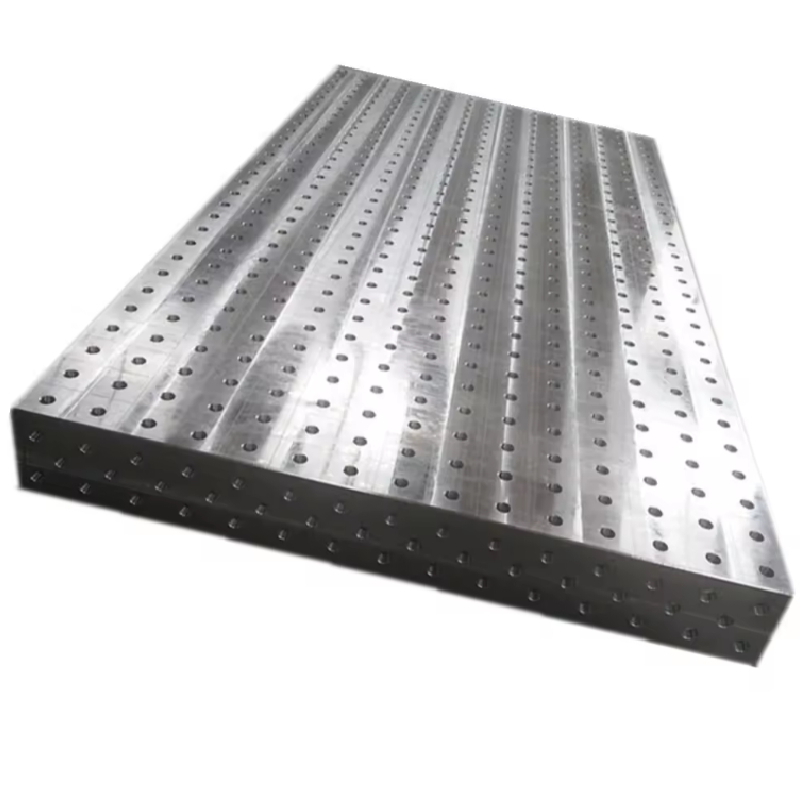
Heavy Duty Fabrication A Critical Component of Modern Industry Heavy duty fabrication is an essential element in various industries, playing a pivotal role in the construction and manufacturing sectors. This process involves the creation of large and robust structures made from materials such as steel, aluminum, and other alloys, designed to withstand harsh environments and heavy loads. Nowadays, heavy duty fabrication is not only limited to traditional sectors such as construction and manufacturing but has also expanded into areas such as automotive, aerospace, and energy. Heavy Duty Fabrication A Critical Component of Modern Industry One of the critical aspects of heavy duty fabrication is material selection. Engineers and fabricators must choose materials that not only meet the specific requirements of a project but also possess durability and strength to handle extreme conditions. For instance, in marine environments, materials that are resistant to corrosion are essential. Similarly, in high-stress applications, such as aerospace, lightweight yet robust materials are preferred to enhance performance while maintaining safety. heavy duty fabrication table In addition to material selection, advanced technology has also revolutionized the heavy duty fabrication industry. Innovations like CNC (Computer Numerical Control) machining, laser cutting, and robotic welding have dramatically increased the speed and accuracy of the fabrication processes. These technologies allow for complex designs to be fabricated with minimal human intervention, reducing the potential for errors and improving consistency across production runs. Safety is another paramount consideration in heavy duty fabrication. Given the scale and weight of the components being handled, implementing rigorous safety protocols is essential. This includes the proper training of personnel, use of protective equipment, and adherence to industry regulations. Manufacturers are also increasingly focusing on ergonomic designs and practices to safeguard workers who handle heavy materials regularly. Furthermore, sustainability has emerged as a significant trend in the fabrication industry. As global awareness of environmental issues increases, many companies are looking for ways to minimize waste and reduce their carbon footprint. Utilizing recycled materials, improving energy efficiency in fabrication processes, and employing eco-friendly paints and coatings are all strategies that heavy duty fabrication companies are adopting to contribute to a greener planet. In conclusion, heavy duty fabrication is a cornerstone of modern industrial operations, providing the backbone for various sectors. Its emphasis on precision, technology, and safety ensures that structures and components meet the demands of contemporary applications. As industries continue to evolve, heavy duty fabrication will remain vital in supporting innovation and sustainability while meeting the challenges of tomorrow’s engineering demands. The future of heavy duty fabrication appears promising, with ongoing advancements poised to enhance efficiency and reduce the environmental impact of this indispensable field.
-

High quality industrial productsagement

High quality industrial products
View Details -

Meet the diverse needs of customers

Meet the diverse needs of customers
View Details -

Strict quality control

Strict quality control
View Details -

Top raw materials

Top raw materials
View Details -

Trusted supplier

Trusted supplier
View Details
Our application

news and information
Vérificateur anti-retour pour prévenir les refoulements dans les systèmes de canalisation
La Soupape Anti-retour Une Protection Essentielle dans les Systèmes Hydraulique La soupape anti-ret
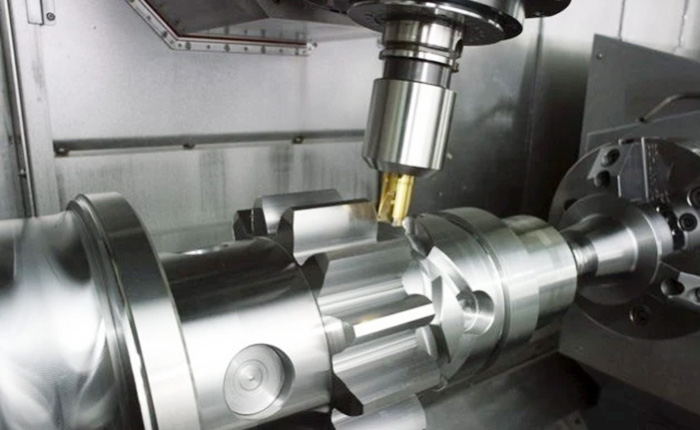
V Blocks Available for Purchase at Competitive Prices
Exploring V Blocks for Sale A Comprehensive Guide In the ever-evolving landscape of technology and
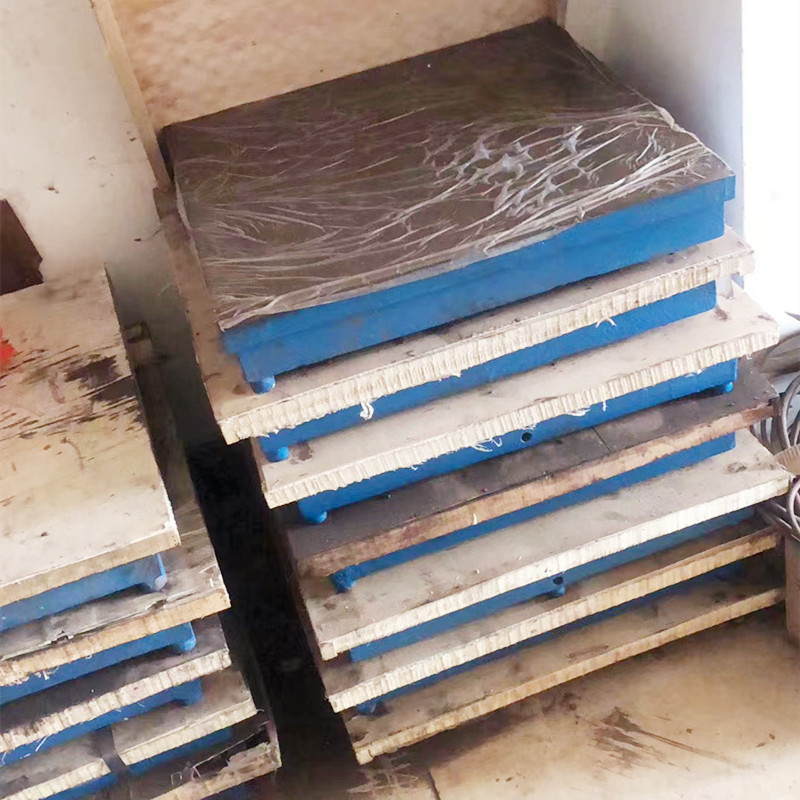
Van ngắt nước chính
Giá Trị và Vai Trò Của Van Khóa Nước Chính Trong Hệ Thống Cấp Nước Trong mỗi căn nhà hay công trình
 English